How to Protect Your Hair From Damage While Styling at Home
Styling hair at home has become increasingly common, but without the right knowledge and tools, everyday routines can lead to significant damage over time. Whether you're using heat tools, experimenting with new products, or simply trying to maintain a salon-fresh look between appointments, understanding how to protect your hair is essential. For those searching for a hair spa salon near me, professional treatments offer a strong foundation for hair health, but what happens between visits matters just as much. This article explores practical, expert-informed guidance on minimizing damage and keeping your hair in its best possible condition.
Understanding Why Hair Gets Damaged During Styling
Hair damage rarely happens all at once. It accumulates gradually through repeated exposure to heat, chemical treatments, mechanical stress, and environmental factors. The outermost layer of each hair strand, known as the cuticle, acts as a protective barrier. When this layer is compromised, the inner cortex becomes vulnerable, leading to breakage, dryness, and loss of elasticity.
Understanding this process is essential when building an effective hair routine for long hair, as longer strands are typically older and more exposed to daily wear and tear. A well-structured routine focused on protection, moisture, and gentle handling can significantly reduce cumulative damage and preserve length over time.
The Role of Heat in Hair Damage
Heat is one of the most common culprits behind damaged hair. Flat irons, curling wands, and blow dryers can reach temperatures high enough to alter the protein structure of the hair strand. Repeated exposure without adequate protection weakens the bond between keratin proteins, resulting in hair that feels brittle and looks dull.
Professional stylists are trained to assess hair porosity and texture before recommending or applying heat. This level of assessment helps ensure that the right temperature settings and techniques are used for each individual hair type, something that is harder to replicate without formal training and experience.
Mechanical Stress and Everyday Habits
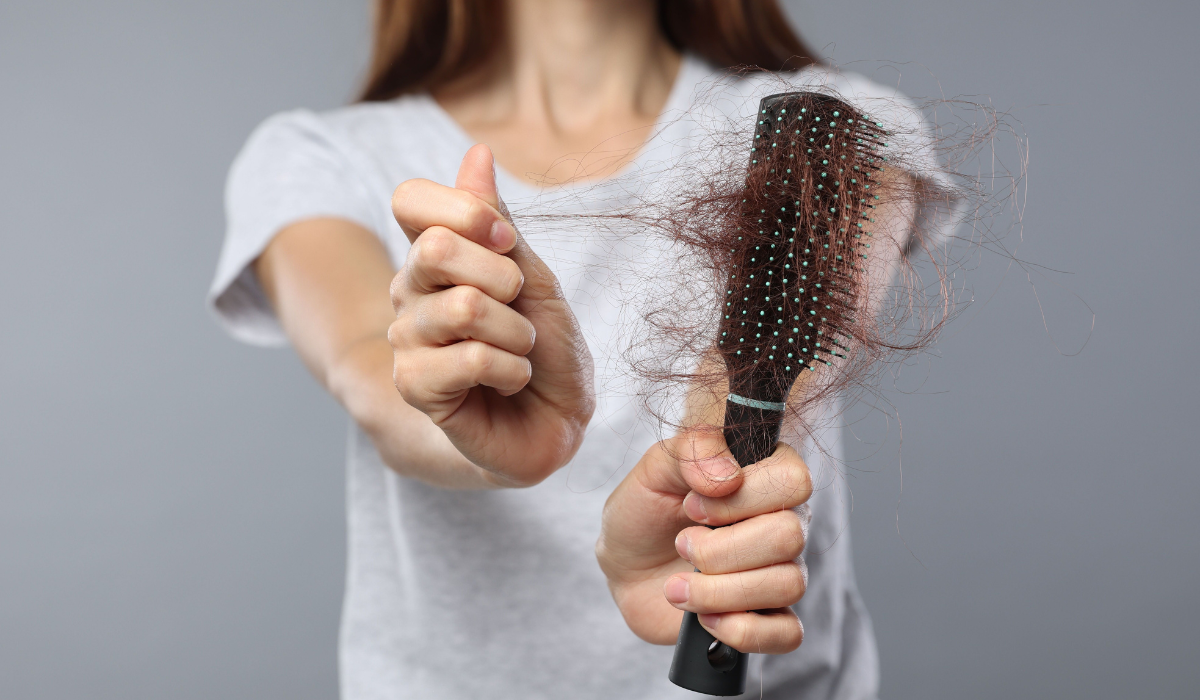
Beyond heat, mechanical stress from brushing, combing, and even tying hair too tightly contributes to damage. Wet hair is particularly fragile, as the hydrogen bonds that give hair its structure are temporarily weakened when saturated with water. Aggressive towel drying or using the wrong type of brush on wet strands can cause significant breakage over time.
How to Protect Your Hair From Damage While Styling
Protecting hair at home starts with building an informed routine. While professional treatments address deep structural concerns, daily habits are what determine how well those results are maintained. Here are key areas to focus on.
Choosing the Right Heat Protectant
A quality heat protectant is one of the most important tools in any home styling routine. These products work by forming a temporary barrier over the hair shaft, reducing the direct impact of heat tools on the cuticle. They are available in spray, serum, and cream formats, each suited to different hair types and styling methods.
It is worth noting that not all heat protectants are equal. Products with ingredients such as dimethicone, cyclomethicone, or panthenol tend to offer more comprehensive protection. Applying the product evenly through damp or dry hair before any heat styling ensures maximum coverage.
Adjusting Heat Tool Settings
Many people use heat tools at their highest setting out of habit or impatience, but this is rarely necessary. Fine or chemically treated hair typically requires lower temperatures, while thicker or coarser hair may tolerate slightly higher heat. As a general guideline, most hair types can be effectively styled between 300°F and 375°F without risking significant damage.
Investing in tools with precise temperature controls rather than basic high/low settings gives users greater control over heat exposure. Ceramic and tourmaline plates distribute heat more evenly and reduce the hot spots that can cause localized damage.
Blow Drying Techniques That Minimize Damage
The way a blow dryer is used matters as much as the temperature setting. Holding the dryer too close to the hair, using maximum airflow for extended periods, or moving it too slowly over a section can all cause unnecessary stress. A diffuser attachment is particularly helpful for those with wavy or curly hair, as it distributes airflow more gently.
Professionals typically work in sections, keep the dryer moving, and finish with a cool shot to help close the cuticle. Replicating these habits at home significantly reduces the cumulative heat exposure each strand receives during a single styling session.
The Importance of a Consistent Hair Care Routine
No single product or technique can fully compensate for a poorly constructed hair care routine. Protecting hair from damage requires consistency across cleansing, conditioning, and treatment steps.
Selecting the Right Shampoo and Conditioner
Shampoo formulas vary widely in their pH levels, surfactant strength, and ingredient composition. Sulfate-heavy formulas, while effective at removing buildup, can also strip natural oils from the scalp and hair shaft, leaving strands more susceptible to damage. For those who style frequently, a gentler, sulfate-free option often provides a better balance between cleansing and moisture retention.
Incorporating Deep Conditioning Treatments
Deep conditioning masks and treatments address damage at a structural level by temporarily reinforcing the hair shaft with proteins and moisture-binding ingredients. Used consistently, they help restore suppleness and elasticity to hair that has been weakened by heat or chemical exposure.
While at-home versions of these treatments are widely available and beneficial for maintenance, the formulations used in professional salon settings are often more concentrated and specifically selected based on a trained assessment of the client's hair condition. Treatments administered at a hair spa salon in Princeton NJ or similar professional environments are designed to deliver more intensive restoration than most over-the-counter options can achieve.
Protective Styling and Handling Practices
How hair is handled outside of active styling sessions also plays a significant role in its long-term health.
Sleeping Habits and Hair Protection
Friction from cotton pillowcases can cause the cuticle to lift over time, contributing to frizz and breakage. Switching to a silk or satin pillowcase, or using a silk bonnet, reduces this friction significantly. For those with longer hair, loosely braiding or pinning hair before sleep minimizes tangling and mechanical stress during the night.
Protective Styles Between Appointments
Certain styles can help reduce daily manipulation of the hair, giving it time to recover between styling sessions. Low-tension styles such as loose braids, twists, or buns allow the hair to rest without being subjected to repeated heat or combing. It is important, however, to avoid styles that place excessive tension on the hairline or scalp, as this can lead to traction alopecia over time.
When Professional Intervention Makes a Difference
There are limits to what home care can address, and recognizing those limits is part of maintaining realistic expectations. Severe damage, such as extreme porosity, significant breakage, or chemically compromised strands, typically requires the attention of a qualified stylist who can evaluate the hair's current condition and recommend appropriate corrective treatments.
Salon professionals have access to clinical-grade products and application methods that are calibrated to produce results safely and effectively. Regular visits to a trusted salon also allow for early identification of damage before it becomes more difficult to manage. For clients in the greater Princeton area, locating a hair spa service salon near me through reputable review platforms or professional referrals can be a helpful starting point for establishing an ongoing care relationship with a licensed specialist.
Building Long-Term Habits for Healthier Hair
Protecting hair from damage is not a single action but an ongoing commitment. Understanding the causes of damage, making informed choices about tools and products, and maintaining a structured routine are all part of a comprehensive approach. Professional services provide an important layer of care that home routines alone cannot replicate, but consistent, knowledgeable at-home practices significantly extend the life of those results.
Conclusion
Maintaining healthy, resilient hair requires more than occasional treatments or trend-driven products. It is the result of informed styling techniques, thoughtful product selection, protective daily habits, and timely professional care. From minimizing heat exposure during blow drying to incorporating deep conditioning treatments and protective styling, each step plays a role in preserving the hair’s strength and integrity.AtEnmoda salon & Spa stands out as a private retreat. We’ve created a gender neutral texture inclusive safe salon located in Downtown Princeton. We’re minutes away from the prestigious Princeton University, offering a one-of-a-kind setting with dedicated parking and a modern building wrapped in natural elements of stone, wood and metal.
FAQs
How often should I use heat styling tools without damaging my hair?
Even with protective products, frequent heat styling can stress hair over time. Professionals recommend limiting heat styling to 2–3 times per week and using lower temperature settings appropriate for your hair type. Incorporating heat-free styles like braids, twists, or buns can reduce overall damage.
What is the best way to detangle hair without causing breakage?
Start detangling from the tips and work your way up to the roots. Use a wide-tooth comb or a detangling brush, ideally while hair is damp and coated with a leave-in conditioner. This method minimizes breakage and keeps hair smooth.
Can professional treatments help protect hair from at-home styling damage?
Yes. Treatments offered at a hair spa salon in princeton nj, such as deep-conditioning masks, keratin treatments, or protein therapies, strengthen hair structure, improve elasticity, and create a protective layer that reduces damage during at-home styling.
Are heat protectants really necessary when styling at home?
Absolutely. Heat protectants form a barrier that reduces moisture loss and protects the hair cuticle from thermal stress. Using a suitable heat protectant before blow-drying, curling, or straightening is essential for long-term hair health.
How can I maintain salon-quality results between visits?
Regular trims, hydrating shampoos and conditioners, and professional guidance from a hair spa salon near me help maintain hair health. Additionally, protecting hair while sleeping, avoiding tight hairstyles, and using minimal styling products can extend the longevity of salon treatments at home.