
How Waxing Services Make Skin Smooth and Hair-Free Longer
Achieving consistently smooth skin often requires more than routine shaving or at-home hair removal methods. Professional waxing remains one of the most reliable options for clients seeking longer-lasting results. Many individuals searching for hair waxing services near me are interested in solutions that provide extended smoothness while supporting healthy skin. When performed by trained beauty specialists, waxing is a carefully controlled process designed to remove hair from the root while maintaining skin integrity.
This article explains how Waxing Services Make Skin Smooth for extended periods, outlines the professional techniques involved, and highlights how clients can actively maintain their results between appointments.
Understanding the Science Behind Waxing
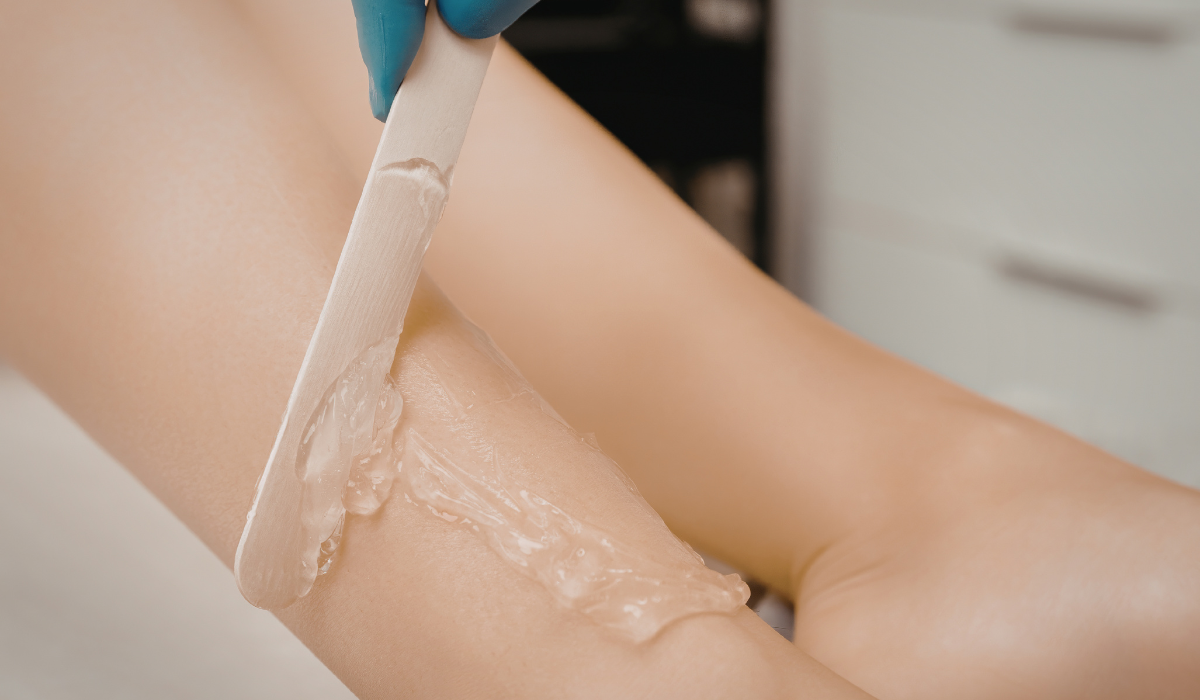
Waxing is a method of epilation, meaning it removes hair from the root rather than cutting it at the surface. During a professional waxing treatment, warmed wax is applied to the skin in the direction of hair growth. A strip or firm wax application is then used to lift the hair from the follicle when removed.
Because the hair is extracted from its root, regrowth typically takes longer than shaving. Shaving only cuts hair at the skin’s surface, allowing stubble to appear within days. In contrast, waxing disrupts the hair growth cycle by removing the entire shaft from beneath the skin’s surface.
Hair grows in three phases:
Anagen (active growth phase)
Catagen (transition phase)
Telogen (resting phase)
Professional beauty specialists understand these phases and schedule appointments accordingly. Regular treatments can gradually align hair growth cycles, contributing to smoother results over time.
How Professional Technique Influences Results
The effectiveness of waxing depends heavily on technique. Licensed estheticians and trained waxing specialists follow specific protocols to ensure both safety and efficiency.
Skin Preparation
Before applying wax, professionals cleanse the treatment area to remove oil, perspiration, or residue. A light pre-wax product may be applied to create a barrier that protects the skin while allowing hair to adhere properly to the wax.
Proper preparation helps:
Reduce irritation
Minimize the risk of ingrown hairs
Improve hair removal accuracy
Controlled Wax Application
Specialists select wax types based on the treatment area and hair texture. Hard wax is often used for sensitive areas, while soft wax may be used for larger regions like legs or back. The wax is applied evenly and removed with controlled motion to minimize discomfort and prevent skin lifting.
Precision during removal ensures that the majority of hair is extracted in one pass, contributing to smoother and longer-lasting outcomes.
Why Waxing Provides Longer-Lasting Smoothness
One of the primary reasons clients choose waxing is its durability compared to surface hair removal methods. When hair is removed from the follicle, the body requires more time to regenerate and push new hair to the surface.
Over time, repeated waxing may result in:
Finer hair texture
Slower regrowth
Reduced hair density in some areas
This is why many clients report that Waxing Services Make Skin Smooth for several weeks at a time. While individual growth patterns vary, most clients experience smoothness lasting between three and six weeks depending on the area treated and personal hair growth cycles.
Skin Benefits Beyond Hair Removal
In addition to removing hair, waxing offers mild exfoliation. As the wax is removed, it lifts away dead skin cells from the surface. This contributes to a brighter and smoother appearance.
Professional waxing can support:
Improved skin texture
More even feel to the touch
Better absorption of skincare products
However, exfoliation should remain controlled. Beauty professionals assess skin sensitivity before treatment and advise clients on appropriate post-wax care to avoid over-exfoliation.
Customization for Different Areas of the Body
Professional salons provide waxing services tailored to various treatment areas. Each area requires a different approach due to variations in skin thickness, hair density, and sensitivity.
Facial Waxing
Facial areas such as brows, upper lip, and chin require precise shaping and careful temperature control. Specialists use smaller applicators and refined techniques to ensure definition while protecting delicate skin.
Body Waxing
Larger areas like legs and arms involve systematic sectioning to ensure complete and consistent hair removal. Professionals work methodically to maintain client comfort and optimal results.
Back and Chest Waxing
Many clients seek waxing services for men, particularly for back and chest areas where hair density may be higher. Professional estheticians use techniques designed to address coarser hair while maintaining skin safety. Individuals searching for back waxing services near me often prioritize expertise in handling larger treatment zones efficiently and comfortably.
Professional Standards and Hygiene
A reputable waxing provider follows strict sanitation protocols. Tools are disinfected, disposable applicators are never reused, and treatment spaces are maintained according to health guidelines.
Trained specialists also:
Conduct skin assessments before treatment
Identify contraindications such as certain medications or skin conditions
Adjust wax temperature and type based on individual needs
These standards contribute to both client safety and treatment effectiveness.
Client Participation in Maintaining Results
While waxing treatments are professionally delivered, clients play an important role in preserving smoothness between appointments.
Adhering to a Regular Schedule
Maintaining appointments every four to six weeks helps synchronize hair growth cycles. Consistency allows specialists to remove hair during optimal growth phases, enhancing results over time.
Gentle Exfoliation at Home
Light exfoliation beginning several days after treatment can help prevent ingrown hairs. Clients should follow the guidance provided by their waxing professional and avoid harsh scrubs immediately after treatment.
Moisturizing and Sun Protection
Keeping the skin hydrated supports recovery and maintains smooth texture. Applying sunscreen to exposed areas after waxing helps protect newly exfoliated skin from sensitivity.
When clients follow professional recommendations, they extend the benefits of treatment and support overall skin health.
Addressing Common Concerns
Many first-time clients have questions about discomfort, regrowth, and skin reactions. Professional providers address these concerns with clear communication and individualized care.
Discomfort Levels
Waxing may cause temporary discomfort, particularly during initial sessions. However, consistent appointments often lead to reduced sensitivity as hair becomes finer. Proper technique and skin support products also minimize irritation.
Skin Redness
Mild redness immediately after treatment is common and typically subsides within hours. Specialists may apply calming products to soothe the area.
Ingrown Hairs
Ingrown hairs can occur if dead skin cells block follicles. Professional advice on exfoliation and moisturizing reduces this risk significantly.
Selecting a Qualified Waxing Provider
Choosing an experienced professional influences both safety and outcome. Clients researching best waxing in princeton nj often consider factors such as licensure, sanitation practices, and practitioner experience.
When evaluating providers, clients may look for:
Proper certification and state licensing
Transparent hygiene standards
Clear pre- and post-care instructions
A comfortable, private treatment environment
Professional consultation before the first appointment allows specialists to assess skin type, hair texture, and personal goals.
Long-Term Impact on Hair Growth Patterns
With consistent treatments, some clients observe gradual changes in hair density and texture. Hair that regrows after repeated waxing sessions may appear:
Softer
Lighter in texture
Less densely distributed
These changes vary by individual and are influenced by genetics and hormonal factors. Nevertheless, many clients find that Waxing Services Make Skin Smooth more predictably when appointments are maintained consistently over time.
Comparing Waxing to Other Hair Removal Methods
Understanding the differences between waxing and alternative methods helps clients make informed decisions.
Shaving
Shaving removes hair at the surface and requires frequent maintenance. Stubble typically appears within days.
Depilatory Creams
Chemical depilatories dissolve hair at or just below the skin’s surface. While longer-lasting than shaving, results still do not match the duration of waxing.
Laser Hair Reduction
Laser treatments target hair follicles with light energy and may reduce growth long term. However, multiple sessions are required, and suitability varies based on skin tone and hair color.
Waxing remains a widely accessible option that offers reliable smoothness without long-term procedural commitments.
Conclusion
Professional waxing offers a reliable method for achieving smooth, hair-free skin for longer intervals compared to surface hair removal techniques. Through precise application, proper hygiene standards, and trained expertise, waxing specialists remove hair from the root while maintaining skin integrity. Clients contribute to maintaining these results by following recommended aftercare practices and adhering to consistent appointment schedules.
When delivered by qualified professionals and supported by informed client participation, waxing remains a practical and effective option for long-lasting smoothness.
At Enmoda salon & Spa stands out as a private retreat. We’ve created a gender neutral texture inclusive safe salon located in Downtown Princeton. We’re minutes away from the prestigious Princeton University, offering a one-of-a-kind setting with dedicated parking and a modern building wrapped in natural elements of stone, wood and metal.
FAQs
How often should I get waxing to maintain smooth skin?
Most clients benefit from waxing every 4 to 6 weeks, depending on hair growth cycles and the area treated. Regular appointments help maintain smoothness and can gradually align hair growth for longer-lasting results.
Does waxing hurt, and how can discomfort be minimized?
Waxing may cause temporary discomfort, especially during the first sessions. Discomfort can be minimized by using proper technique, applying pre-wax skin products, and ensuring hair is at the ideal length. Over time, hair becomes finer, reducing sensitivity.
Can waxing help reduce hair growth over time?
Yes, repeated waxing may lead to softer, finer, and less dense hair regrowth. While results vary based on genetics and hormones, consistent waxing can make smooth skin more predictable.
What aftercare is recommended to prevent irritation or ingrown hairs?
Post-wax care includes gentle exfoliation after a few days, moisturizing daily, and protecting the skin from sun exposure. Avoid harsh scrubs or tight clothing immediately after waxing to prevent irritation and ingrown hairs.
How do I choose a qualified waxing provider near me?
Look for licensed estheticians, transparent hygiene practices, clear pre- and post-care instructions, and a comfortable treatment environment. A professional consultation before your first appointment ensures they understand your skin type, hair texture, and personal goals.