
Waxing vs. Threading: Which Hair Removal Method Is Right for You?
Hair removal is a common part of many personal grooming routines, and choosing the right method can make a significant difference in comfort, skin health, and long-term results. Two of the most popular techniques used in professional salons are waxing and threading. Both methods remove hair from the root, which typically results in smoother skin for longer compared to shaving or hair removal creams. However, each technique has its own benefits, limitations, and ideal use cases.
Many salons offer hair waxing services alongside threading treatments to accommodate different skin types and grooming needs. Understanding how these methods work can help you make a confident decision before scheduling your next appointment. This guide explores the key differences between waxing and threading, helping you determine which option aligns best with your skin sensitivity, hair texture, and maintenance routine.
Understanding Waxing as a Hair Removal Method
Waxing is a widely used technique that removes unwanted hair by applying warm or hot wax to the skin and quickly pulling it off with a strip or by using hard wax that lifts directly from the surface. The process removes hair from the root, leaving skin smooth for several weeks.
How Waxing Works
During waxing, a professional applies a thin layer of wax in the direction of hair growth. A cloth strip or hardened wax is then removed quickly, pulling the hair out from the follicle. Because the hair is removed at the root, regrowth is typically slower than shaving.
Areas Commonly Treated with Waxing
Waxing is commonly used for larger areas of the body, including:
Legs
Arms
Back
Underarms
Bikini line
Specialized treatments like a brazilian wax princeton nj are also popular for individuals seeking long-lasting hair removal in intimate areas.
Benefits of Waxing
Waxing offers several advantages that make it a preferred option for many people.
Longer-lasting smoothness: Hair usually takes three to six weeks to grow back.
Finer regrowth: Over time, repeated waxing may lead to thinner hair growth.
Efficient for large areas: Waxing can remove multiple hairs at once.
Exfoliation benefits: Waxing removes dead skin cells along with hair.
Potential Drawbacks
Despite its benefits, waxing may not be suitable for everyone.
Temporary redness or irritation may occur.
Sensitive skin can react to hot wax.
Hair must grow to a certain length before waxing again.
Understanding Threading as a Hair Removal Method
Threading is an ancient hair removal technique that originated in South Asia and the Middle East. It involves twisting a thin cotton thread to trap and remove hair from the follicle.
How Threading Works
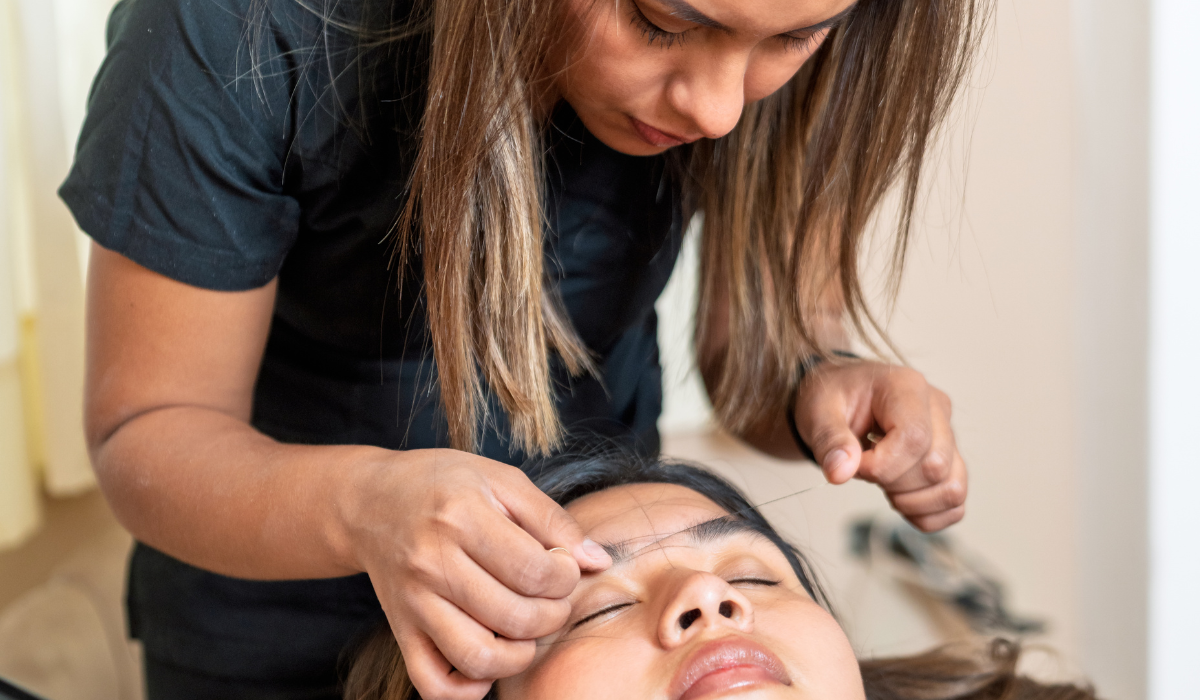
During threading, the technician twists the thread and rolls it across the skin. The twisting motion captures hair and pulls it out from the root. The method requires precision and skill, making it ideal for shaping and defining smaller areas.
Common Areas for Threading
Threading is typically used for more delicate or detailed facial areas such as:
Eyebrows
Upper lip
Chin
Sideburns
Because it targets individual hairs, threading allows for highly controlled shaping.
Advantages of Threading
Threading has several qualities that make it appealing, especially for facial grooming.
Precise shaping: Ideal for eyebrow definition.
No chemicals involved: Only cotton thread is used.
Suitable for sensitive skin: Less exposure to heat or wax.
Minimal skin contact: Reduces the likelihood of irritation.
Possible Limitations
While threading works well for smaller areas, it may not be practical for larger body parts.
It can be time-consuming for large areas.
Some people experience slight discomfort during hair removal.
Comparing Waxing and Threading
Both techniques remove hair from the root, but the experience and results can vary based on several factors.
Pain and Comfort
Pain tolerance differs from person to person. Waxing removes multiple hairs at once, which may cause a quick but intense sensation. Threading removes hair more gradually, which some people find more comfortable for small areas but slightly irritating during longer sessions.
Skin Sensitivity
Threading is often recommended for people with extremely sensitive skin or those who cannot tolerate heat or wax products. Waxing, however, is generally safe when performed by trained professionals and may include soothing aftercare treatments.
Precision and Shape
Threading offers excellent precision, making it ideal for eyebrow shaping and facial detailing. Waxing works best for removing large amounts of hair quickly.
Speed of Treatment
Waxing tends to be faster for large areas such as legs or arms. Threading takes more time but provides greater accuracy for facial grooming.
Choosing Between the Two Methods
When deciding between waxing and threading, consider several personal factors including skin type, hair thickness, and the area being treated.
Skin Type
Individuals with extremely sensitive skin often prefer threading for facial areas because it avoids heated products. Those with normal skin types may find waxing equally comfortable.
Hair Thickness
Waxing tends to be more effective for coarse or dense hair. Threading works best for fine to medium hair commonly found on the face.
Treatment Area
Larger body areas are typically treated with waxing, while threading is favored for smaller facial areas that require careful shaping.
Maintenance Routine
Both methods provide longer-lasting results compared to shaving. Most clients schedule treatments every three to six weeks depending on hair growth patterns.
Professional Salon Treatments
Visiting a trained professional ensures that both waxing and threading are performed safely and effectively. Technicians follow strict hygiene standards and tailor treatments to suit individual skin needs.
Many clients choose professional Waxing and Threading Services because they provide expert techniques, high-quality products, and personalized care that may be difficult to achieve at home.
Professional salons can also recommend aftercare routines, helping to reduce irritation and maintain smooth skin between appointments.
Aftercare Tips for Smooth Skin
Proper aftercare is essential after any hair removal treatment.
Avoid Heat and Friction
After waxing or threading, avoid hot showers, saunas, or intense exercise for at least 24 hours. Heat and friction can irritate freshly treated skin.
Keep Skin Hydrated
Applying a gentle moisturizer helps soothe the skin and maintain softness after treatment.
Exfoliate Gently
Light exfoliation after a few days can help prevent ingrown hairs and maintain smooth results.
Protect Skin from Sun Exposure
Freshly treated skin may be more sensitive to sunlight. Using sunscreen can help prevent irritation or discoloration.
Why Many Clients Combine Both Methods
Some people benefit from using both waxing and threading as part of their grooming routine.
For example, waxing may be used for body hair removal while threading is chosen for precise eyebrow shaping. This combination allows clients to take advantage of the strengths of each technique.
Salons offering Waxing and Threading Services often customize treatments so clients receive the most effective hair removal approach for each area of the body.
Finding the Right Salon
Selecting a reputable salon is essential for achieving the best results and ensuring a safe experience.
If you are searching for waxing princeton nj, look for salons with experienced technicians, positive client reviews, and strict hygiene standards. Professional consultation before treatment can also help determine whether waxing or threading is the best option for your skin type.
High-quality salons focus not only on hair removal but also on skin health, comfort, and personalized care.
Which Method Is Ultimately Right for You?
The choice between waxing and threading ultimately depends on your personal preferences and grooming goals.
If you want efficient hair removal for larger body areas and longer-lasting smoothness, waxing may be the ideal option. If you prefer precise facial shaping and minimal product contact with the skin, threading could be the better choice.
Many clients discover that combining both techniques provides the most effective and balanced results.
Professional Waxing and Threading Services can guide you toward the method that best matches your needs, ensuring comfortable treatments and consistent results over time.
Conclusion
Both waxing and threading remain trusted hair removal techniques used in salons around the world. Each method has its own strengths, and the best choice depends on factors such as skin sensitivity, hair texture, and the treatment area.
Waxing is often preferred for larger body areas due to its speed and efficiency, while threading provides unmatched precision for facial grooming. Consulting a trained professional can help determine which method will deliver the best results for your unique skin and hair type.
For many clients, incorporating both techniques into their grooming routine offers the ideal balance of convenience, precision, and long-lasting smoothness.
Enmoda Salon & Spa stands out as a private retreat. We’ve created a gender neutral texture inclusive safe salon located in Downtown Princeton. We’re minutes away from the prestigious Princeton University, offering a one-of-a-kind setting with dedicated parking and a modern building wrapped in natural elements of stone, wood and metal.
FAQs
What is the main difference between waxing and threading?
Waxing removes hair by applying warm wax to the skin and pulling it away quickly, while threading uses twisted cotton thread to pull hair out from the root. Waxing is often used for larger areas, while threading is best for precise facial hair removal.
Which method lasts longer, waxing or threading?
Both waxing and threading remove hair from the root, so results typically last between three to six weeks depending on individual hair growth patterns.
Is waxing more painful than threading?
Pain levels vary depending on personal sensitivity and the treatment area. Waxing removes many hairs at once, which may feel more intense briefly, while threading removes hair gradually and may feel less sudden.
Is threading better for sensitive skin?
Threading is often recommended for sensitive skin because it uses only cotton thread and does not involve heat or chemical products.
Can waxing be done on the face?
Yes, waxing can be used on facial areas such as the upper lip or chin. However, threading is often preferred for facial grooming because it allows for more precise shaping.
How often should I schedule waxing or threading appointments?
Most people schedule hair removal appointments every three to six weeks, depending on how quickly their hair grows.